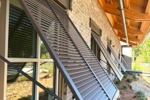
Bahama vs. Colonial Shutters: Which is Better?
As students prepare to go back to school, storm season is still roiling on the Southeast coast. Custom storm shutters are an elegant way to prepare your property for unpredictable weather - but which type is best? Bahama shutters are elegant and sleek, while colonial shutters offer a timeless, classic aesthetic synonymous with Southern charm. Different in design yet they solve the same problem; the better shutter truly depends on your property, elevation, and personal style. At Coastal Canvas Products, we've been designing and installing both for Southeast properties since 1975.
What Are Storm Shutters?
Both Bahama and Colonial shutters serve the dual purpose of protecting windows from storm damage while adding aesthetic value to your home. Key differences include the following:
.jpg)
Where Bahama Shutters Win
- Everyday shade and energy savings. Because Bahamas are propped out over the window even when they aren't in storm mode, they cut solar heat gain on south and west facing elevations all summer long. That shows up on the power bill and protects floors and furniture from UV fade.
- Airflow with privacy. The angled position lets breezes come through the window while still maintaining privacy, especially useful for second story and waterfront rooms.
- Speed of deployment. Undo the side arms, drop the shutter flush against the opening, and latch. You can easily secure the entire property in a matter of minutes.
- Coastal elegance. For any property near the coast, Bahama shutters hit the architectural bullseye. They channel a seaside aesthetic that looks as good as it performs.
.jpg)
Where Colonial Shutters Win
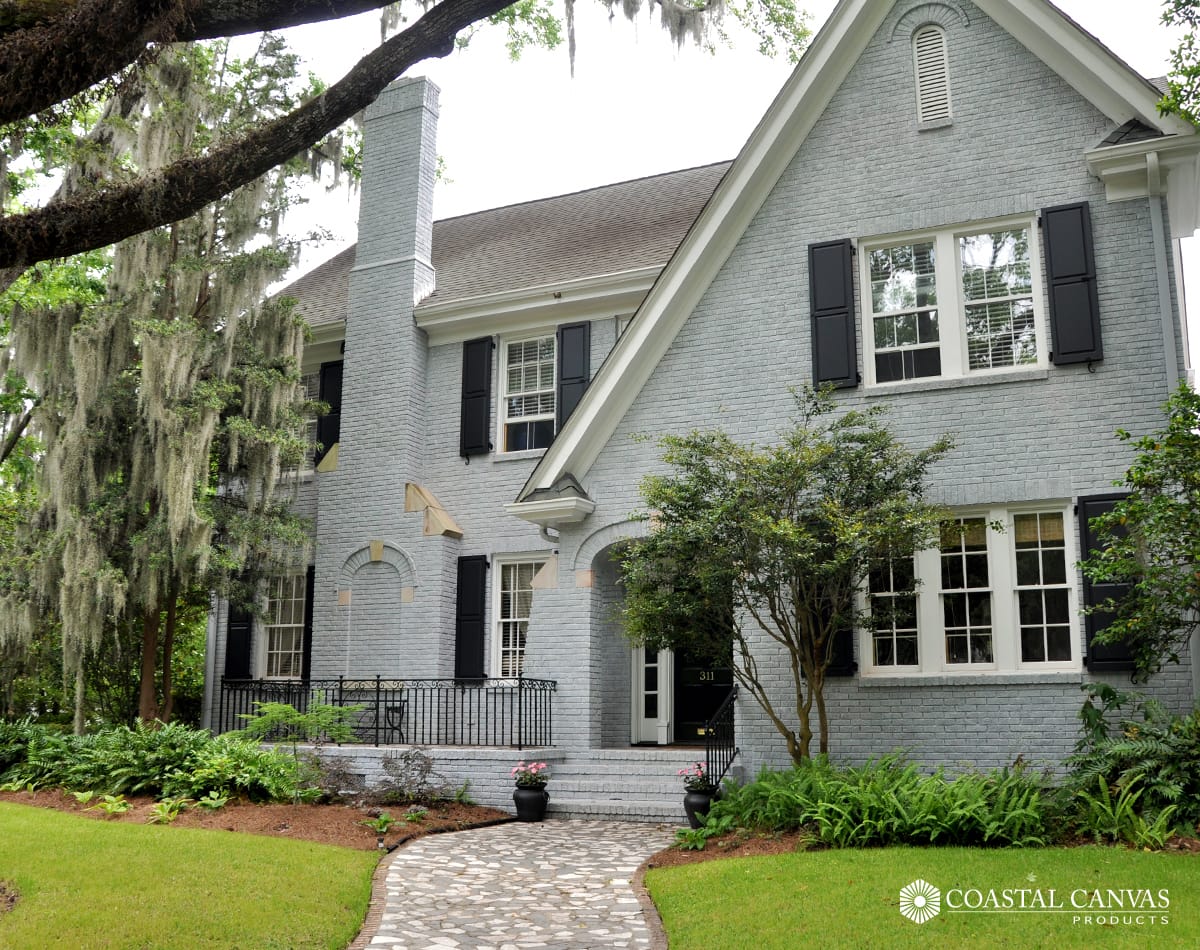
- Traditional Southern architecture. For a Savannah row home, or a historic building in Charleston, Colonial shutters will fit the mold effortlessly. Left open, they frame the window the way traditional architecture intends.
- Historic district approvals. Symmetrical and period appropriate, Colonials tend to sail through architectural review. in most Lowcountry historic districts. They match the visual landscape of most Lowcountry historic districts.
- Discreet when open. When they aren't in storm mode, Colonials read as decorative trim rather than a functional feature. If you'd prefer a storm shutter that doesn’t dominate the elevation, these tuck away more gracefully.
Where They're Basically Even
- Storm protection. Both are built from durable, powdercoated aluminum and engineered for coastal winds.
- Longevity and maintenance. Aluminum construction means both stand up to salt air, humidity, and UV rays without the maintenance headache of wood.
- Cost. Pricing depends more on size, quantity, finish, and installation complexity than on shutter style. In similar configurations, Bahama and Colonial shutters often land in the same neighborhood.
- Customization. Both are made for a custom fit, and have a wide range of finishes to pair with your property’s trim.
The best part is you don't have to pick just one. Many of the homes and buildings we install cover the front and street facing sides in Colonials for curb appeal and approvals, then use Bahamas where shade and airflow matter most.
Still On the Fence?
The most reliable way to settle the shutter debate is directly on site. Schedule a free estimate today! We’ll walk your property, and give elevation by elevation recommendations tailored to your architecture, compliance limitations, and storm protection goals.
📞 Call us today at (912) 236-2416
🌐 Request an Estimate or a Free Consultation