Recover or Replace? 8 Signs Your Awning Needs A Refresh
Awnings make the best of coastal weather; sun, sea breezes, passing showers - while quietly absorbing the worst of it, too. Along the Georgia and South Carolina coast, ultraviolet exposure, humidity, and salt air wear on fabric, frames and hardware year after year. One day you wake up and realize your once pristine patio cover is looking a little worse for the wear.
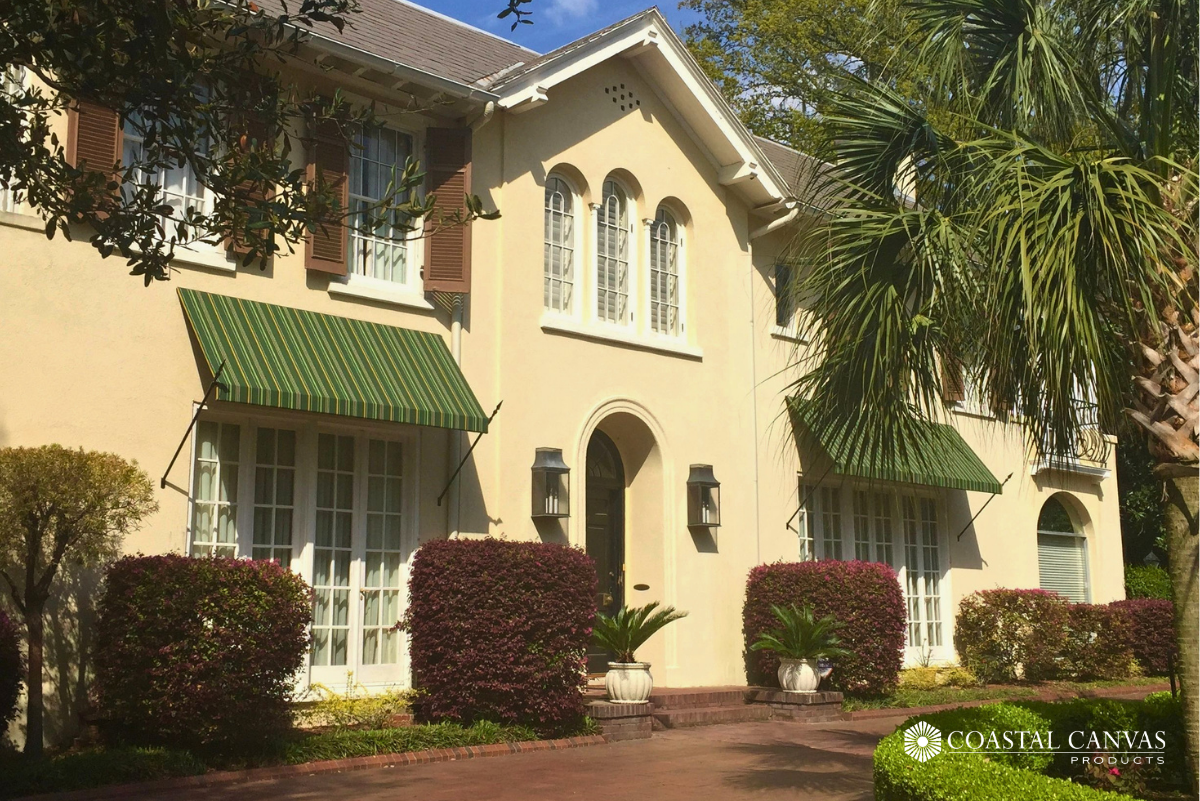
A tired-looking awning, though, is not automatically a finished one. The most important distinction to keep in mind is between the fabric, and the system underneath it:
Awning Recover is removing the old fabric and fitting a new, precisely measured cover onto your existing frame. The frame, hardware, and any motor stay in place.
Awning Replacement is the removal of the entire awning and installing a new system including the frame, fabric, hardware, and all.
If the fabric is the problem and the structure beneath it is sound, recovering it can cost-effectively restore your awning's look and performance. However, when the frame or mechanism is failing, new fabric is like plugging a burst pipe with tape. Here are ten signs it's time for a refresh - whether that means recovering your existing frame or replacing the entire unit.
Four Signs Recovering Your Awning Is the Right Choice
1. Faded, Washed-Out Color
Coastal sun is unrelenting, and it shows first in color. If your awning's once rich hue has gone chalky, patchy, or pale it’s safe to say that UV exposure has contributed greatly.
2. Fraying Seams, Small Tears, or Worn Stitching
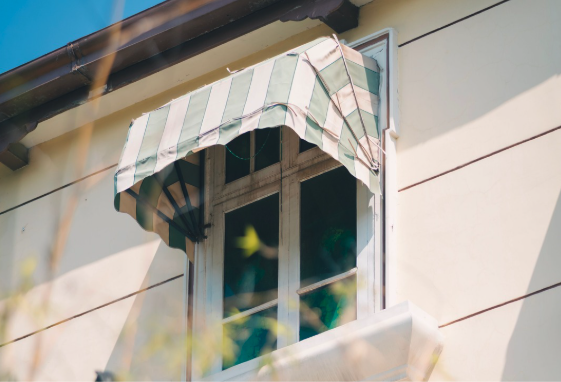
Look closely at the seams, the valance, and the stitching where fabric meets frame. Frayed threads, small punctures, and seams that are beginning to separate are signs the fabric itself is weakening. When caught early, small tears can sometimes be patched, but larger tears across multiple seams can indicate that the fabric is reaching the end of its life.
3. Stubborn Stains or Mildew That Cleaning Can’t Remove
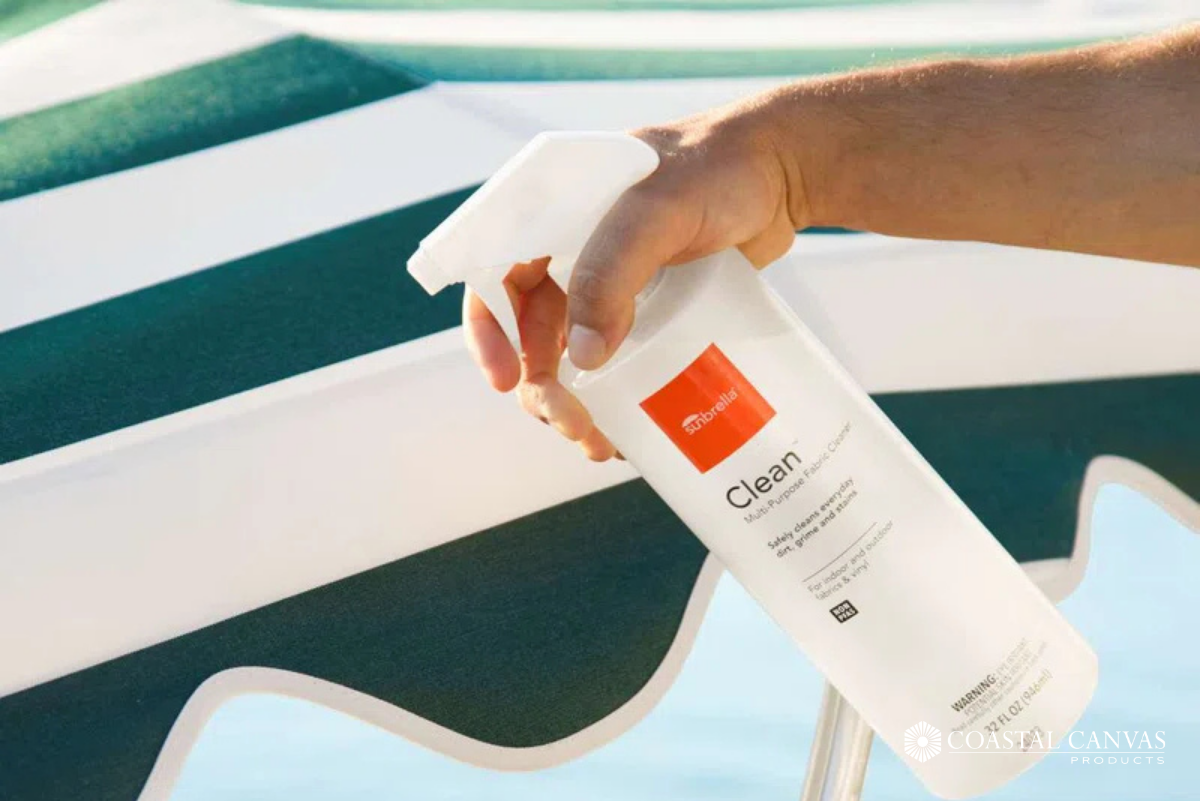
Regular cleaning with mild soap and water handles most dirt and grime. But dark spots, musty odors, and discoloration that survive a regular cleanings usually mean mildew has reached through to the weave of the fabric . At that point, no amount of scrubbing can restore the material effectively.
4. Fabric That Looks Dated
Sometimes the awning fabric is structurally fine, just simply out of date with your style. Colors and patterns that suited the house a decade ago may clash with newer paint, landscaping, or outdoor furnishings. Recovering lets you choose from today's performance fabric collections, which are modern and durable, without touching the structure itself.
Four Signs Replacing Your Awning Is the Smarter Investment
1. Rust, Corrosion, or Cracks in the Frame
Inspect the frame and arms for rust spots, pitting, corrosion at welded joints, or visible cracks. Surface rust can sometimes be addressed, but corrosion that has eaten into the metal or cracked structural components means the frame can no longer be trusted to carry new fabric. New fabric on a failing frame is a short-term fix for a long-term problem.
2. Persistent Sagging or Water Pooling
Every awning should be taut enough to shed rain. If the fabric sags, flaps in the breeze, or collects water in low pockets, the problem may lie in stretched springs, weakened arms, or a frame that has settled out of alignment. Pooling water adds significant weight and strain, and it can quickly turn a fabric problem into a structural one.
3. Hardware Pulling Loose from the House
Look at where the awning attaches to your home. Brackets that have pulled away from the wall, loose bolts, cracked mounting points, or gaps between hardware and siding are attachment failures. These are safety issues, not maintenance items, and they often mean the mounting itself needs to be re-engineered altogether.
4. Motor or Mechanism Trouble
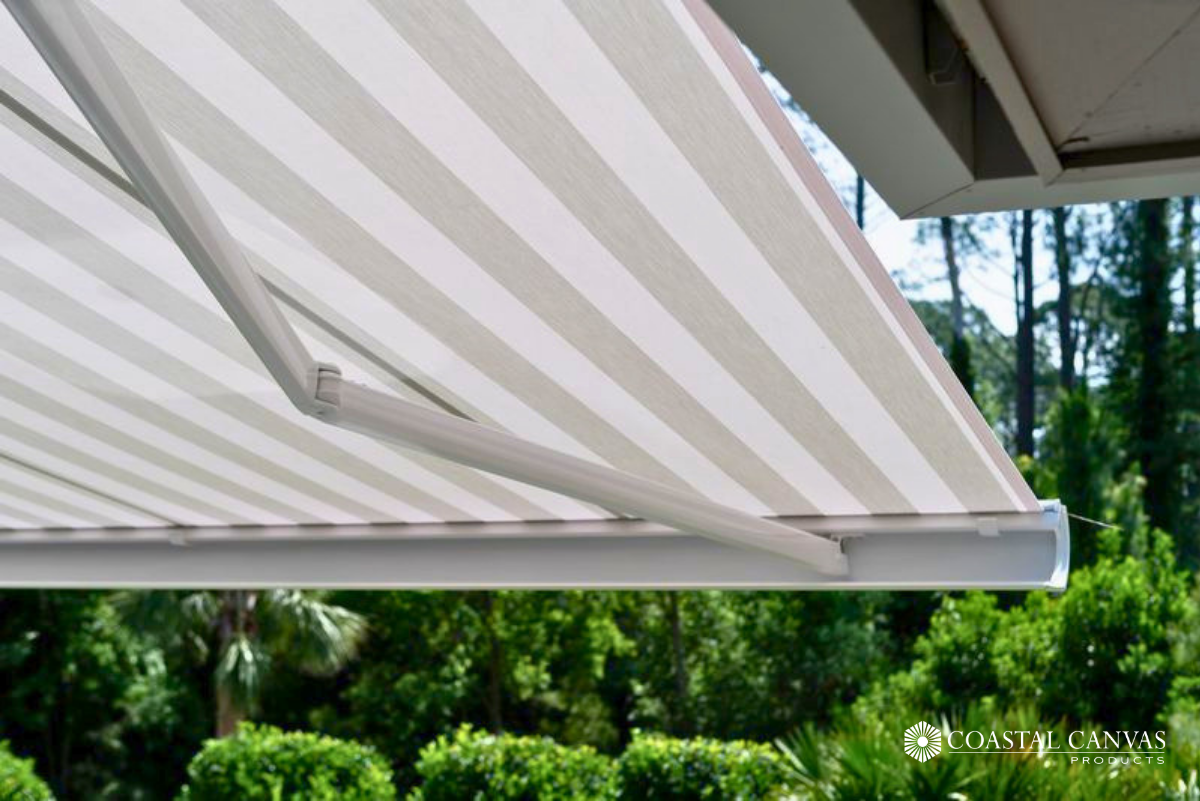
On a retractable awning, the motor tells the truth about the entire system. Jerky extension, grinding or clicking sounds, arms that get stuck, or a hesitating motor all point to wear inside the working parts. Isolated mechanical problems can sometimes be repaired, but a mechanism that has been repaired before and is failing again usually tips the scales towards a replacement.
The Bottom Line
The pattern across all eight signs is simple: fabric issues point toward an awning recover; structural, mechanical, or attachment issues point toward a replacement. Fading, fraying, stains, and dated style are fabric problems. Rust, sagging frames, loose hardware, and motor trouble are system problems.
Get a Professional Opinion
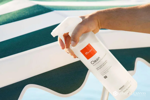
When the answer isn't obvious from the ground, call us for an expert opinion. We can recommend fabric safe products and tips for cleaning fabric. And we can usually inspect and service your awning, even if we didn't originally install it, when the issue goes beyond fabric.
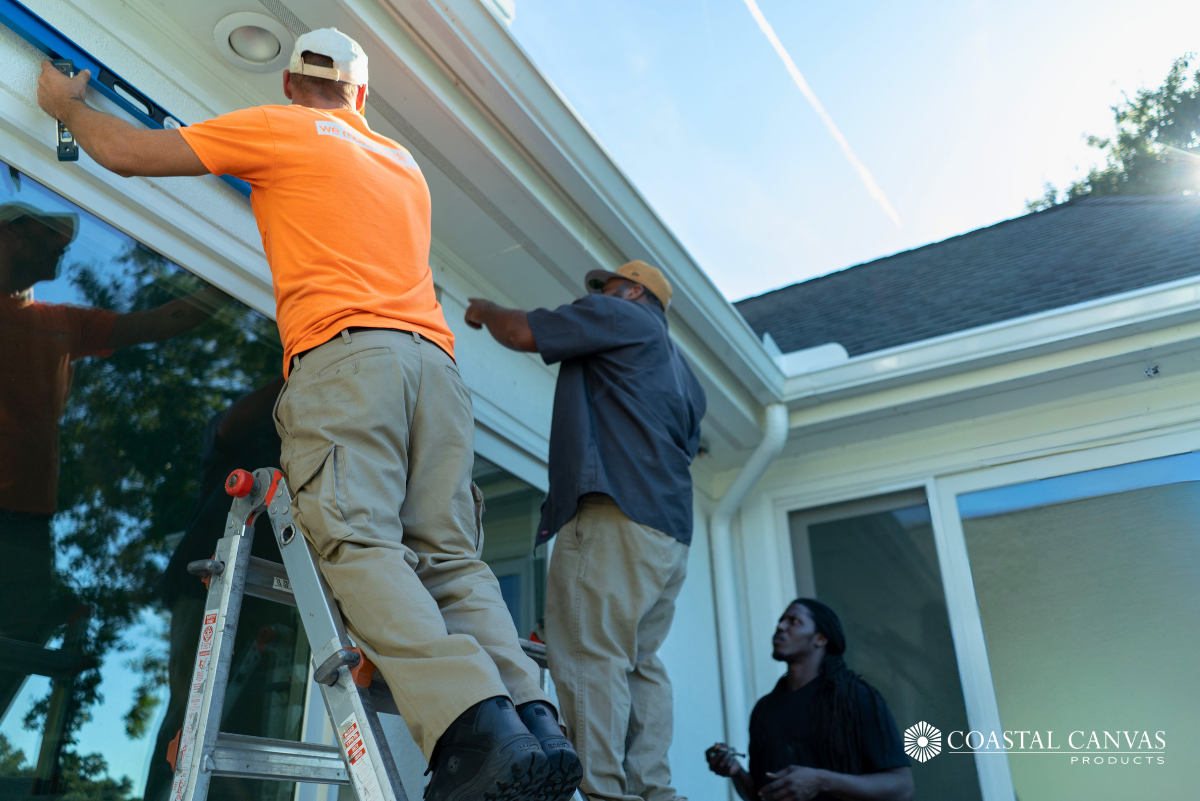
Coastal Canvas Products has designed, built, and maintained custom shade structures for Southeast coastal homes since 1975. We serve Savannah, Charleston, Hilton Head, Bluffton, Beaufort, St. Simons, and the communities in between.
Request a free estimate or call us at (912) 236-2416, and we'll help you decide whether an awning recover or a replacement is the right decision for your property. Purchase our recommended acrylic fabric cleaning kit here.